Buy filedeposit.eu ?
We are moving the project
filedeposit.eu .
Are you interested in purchasing the domain
filedeposit.eu ?
domain@kv-gmbh.de · 0541-91531010
Buy filedeposit.eu ?
Isn't Secure Boot deactivatable?
Yes, Secure Boot is deactivatable on most systems. Secure Boot is a feature designed to prevent unauthorized operating systems and malware from loading during the boot process. However, it can be deactivated in the system's BIOS or UEFI settings, allowing users to install and boot from non-secure operating systems or hardware. Keep in mind that deactivating Secure Boot may expose the system to potential security risks, so it should be done with caution and only when necessary. **
Is Secure Boot not activatable?
Secure Boot is activatable on most modern computers and is designed to prevent unauthorized operating systems or malware from loading during the boot process. However, there may be some older computers or custom-built systems that do not support Secure Boot or may require additional configuration to enable it. In general, Secure Boot is a valuable security feature that can help protect the integrity of the boot process and the operating system. **

Similar search terms for AMiO-02576-Car-boot
Top-Angebote
Products related to AMiO-02576-Car-boot:




-
Why can't Secure Boot be enabled?
Secure Boot may not be able to be enabled for a few reasons. One common reason is that the computer's hardware or firmware does not support Secure Boot. Another reason could be that the operating system being used is not compatible with Secure Boot. Additionally, some older hardware or custom-built systems may not have the necessary components or settings to enable Secure Boot. **
-
How do I activate Secure Boot?
To activate Secure Boot on your computer, you will need to access the BIOS or UEFI settings during the startup process. This is typically done by pressing a specific key (such as F2, F10, or Del) as the computer boots up. Once in the BIOS or UEFI settings, navigate to the Secure Boot option and enable it. Save your changes and exit the settings to activate Secure Boot. Keep in mind that the exact steps may vary depending on your computer's manufacturer and model. **
-
How can one bypass Secure Boot?
Bypassing Secure Boot, which is a security feature designed to prevent the loading of unauthorized operating systems or software during the boot process, is not recommended as it can compromise the security of the system. However, in some cases, Secure Boot can be disabled in the system's BIOS or UEFI settings, allowing the installation of non-signed operating systems or software. It's important to note that bypassing Secure Boot can expose the system to potential security risks and should only be done with caution and for legitimate reasons, such as troubleshooting or testing purposes. **
-
Why can't I activate Secure Boot?
You may not be able to activate Secure Boot for a few reasons. One possibility is that your computer's hardware does not support Secure Boot. Another reason could be that your computer's BIOS or UEFI firmware does not have the option to enable Secure Boot. Additionally, if you are trying to activate Secure Boot on a computer that is running an older operating system or does not have the necessary UEFI firmware, you may encounter difficulties. It's also possible that Secure Boot is already enabled, and you are unable to deactivate it. **


How do I enable Secure Boot?
To enable Secure Boot, you will need to access your computer's BIOS or UEFI settings. Restart your computer and enter the BIOS/UEFI by pressing a specific key (usually F2, F10, or Del) during the boot process. Once in the BIOS/UEFI settings, navigate to the Secure Boot option and enable it. Save the changes and exit the BIOS/UEFI settings. Your computer will now boot with Secure Boot enabled, providing an extra layer of security by only allowing trusted operating systems to boot. **
'How do I deactivate Secure Boot?'
To deactivate Secure Boot, you will need to access your computer's BIOS or UEFI settings. Restart your computer and press the appropriate key (often F2, F10, or Del) to enter the BIOS/UEFI. Once in the settings, navigate to the Secure Boot option and disable it. Save your changes and exit the BIOS/UEFI. Keep in mind that deactivating Secure Boot may make your system more vulnerable to certain types of malware, so be sure to consider the potential security implications before making this change. **
Top-Angebote
Products related to AMiO-02576-Car-boot:
-
Isn't Secure Boot deactivatable?
Yes, Secure Boot is deactivatable on most systems. Secure Boot is a feature designed to prevent unauthorized operating systems and malware from loading during the boot process. However, it can be deactivated in the system's BIOS or UEFI settings, allowing users to install and boot from non-secure operating systems or hardware. Keep in mind that deactivating Secure Boot may expose the system to potential security risks, so it should be done with caution and only when necessary. **
-
Is Secure Boot not activatable?
Secure Boot is activatable on most modern computers and is designed to prevent unauthorized operating systems or malware from loading during the boot process. However, there may be some older computers or custom-built systems that do not support Secure Boot or may require additional configuration to enable it. In general, Secure Boot is a valuable security feature that can help protect the integrity of the boot process and the operating system. **
-
Why can't Secure Boot be enabled?
Secure Boot may not be able to be enabled for a few reasons. One common reason is that the computer's hardware or firmware does not support Secure Boot. Another reason could be that the operating system being used is not compatible with Secure Boot. Additionally, some older hardware or custom-built systems may not have the necessary components or settings to enable Secure Boot. **
-
How do I activate Secure Boot?
To activate Secure Boot on your computer, you will need to access the BIOS or UEFI settings during the startup process. This is typically done by pressing a specific key (such as F2, F10, or Del) as the computer boots up. Once in the BIOS or UEFI settings, navigate to the Secure Boot option and enable it. Save your changes and exit the settings to activate Secure Boot. Keep in mind that the exact steps may vary depending on your computer's manufacturer and model. **
Similar search terms for AMiO-02576-Car-boot
-
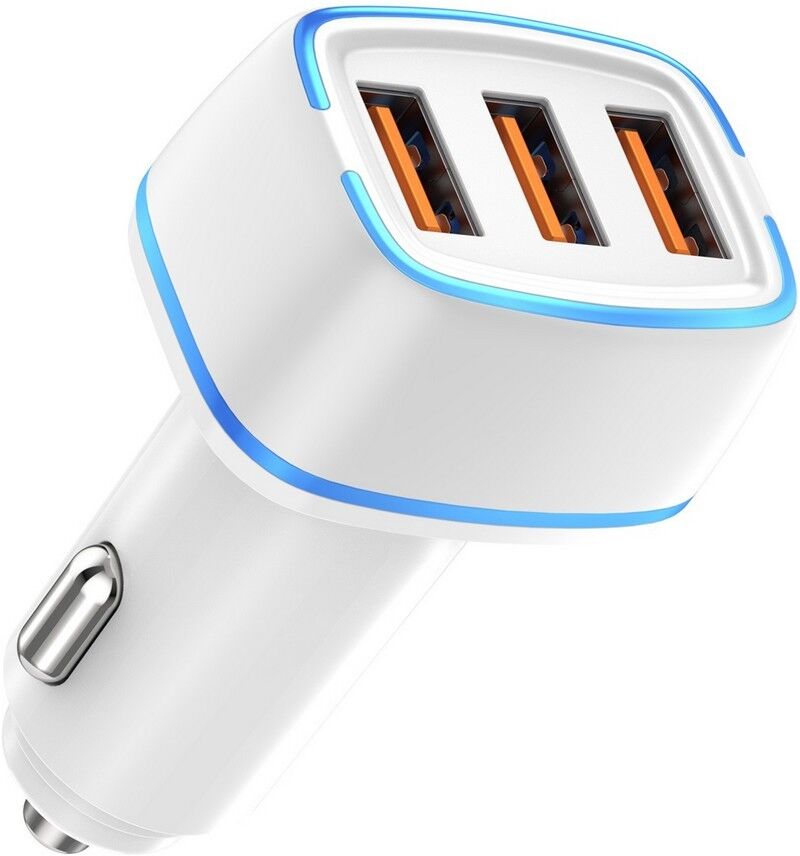
AMiO 04228 In-car chargerInput Voltage [V]: 12-24; Output Voltage [V]: 5; Output current [A]: 3,1; Connectors/Plugs: USB; Number of inlets/outlets: 2; Supplementary Article / Supplementary Info Info 2: with moisture protection; Height: 49; Thickness: 516,29 £*Shipping: 8,45 £Secure redirect to the provider
-
How can one bypass Secure Boot?
Bypassing Secure Boot, which is a security feature designed to prevent the loading of unauthorized operating systems or software during the boot process, is not recommended as it can compromise the security of the system. However, in some cases, Secure Boot can be disabled in the system's BIOS or UEFI settings, allowing the installation of non-signed operating systems or software. It's important to note that bypassing Secure Boot can expose the system to potential security risks and should only be done with caution and for legitimate reasons, such as troubleshooting or testing purposes. **
-
Why can't I activate Secure Boot?
You may not be able to activate Secure Boot for a few reasons. One possibility is that your computer's hardware does not support Secure Boot. Another reason could be that your computer's BIOS or UEFI firmware does not have the option to enable Secure Boot. Additionally, if you are trying to activate Secure Boot on a computer that is running an older operating system or does not have the necessary UEFI firmware, you may encounter difficulties. It's also possible that Secure Boot is already enabled, and you are unable to deactivate it. **
-
How do I enable Secure Boot?
To enable Secure Boot, you will need to access your computer's BIOS or UEFI settings. Restart your computer and enter the BIOS/UEFI by pressing a specific key (usually F2, F10, or Del) during the boot process. Once in the BIOS/UEFI settings, navigate to the Secure Boot option and enable it. Save the changes and exit the BIOS/UEFI settings. Your computer will now boot with Secure Boot enabled, providing an extra layer of security by only allowing trusted operating systems to boot. **
-
'How do I deactivate Secure Boot?'
To deactivate Secure Boot, you will need to access your computer's BIOS or UEFI settings. Restart your computer and press the appropriate key (often F2, F10, or Del) to enter the BIOS/UEFI. Once in the settings, navigate to the Secure Boot option and disable it. Save your changes and exit the BIOS/UEFI. Keep in mind that deactivating Secure Boot may make your system more vulnerable to certain types of malware, so be sure to consider the potential security implications before making this change. **
* All prices are inclusive of VAT and, if applicable, plus shipping costs. The offer information is based on the details provided by the respective shop and is updated through automated processes. Real-time updates do not occur, so deviations can occur in individual cases. ** Note: Parts of this content were created by AI.