Buy filedeposit.eu ?
We are moving the project
filedeposit.eu .
Are you interested in purchasing the domain
filedeposit.eu ?
domain@kv-gmbh.de · 0541-91531010
Buy filedeposit.eu ?
What are the differences between covalent bonds, metallic bonds, and ionic bonds?
Covalent bonds are formed when two atoms share electrons, resulting in a strong bond between the atoms. Metallic bonds occur between metal atoms, where the electrons are delocalized and free to move throughout the structure, creating a strong bond. Ionic bonds are formed between a metal and a nonmetal, where one atom transfers electrons to the other, resulting in the formation of positively and negatively charged ions that are attracted to each other. Overall, covalent bonds involve electron sharing, metallic bonds involve electron delocalization, and ionic bonds involve electron transfer. **
Do CO bonds form with other CO bonds?
No, CO bonds do not typically form with other CO bonds. Carbon monoxide (CO) is a stable molecule with a triple bond between the carbon and oxygen atoms. This triple bond is strong and does not readily form additional bonds with other CO molecules. Instead, CO molecules tend to interact with other types of molecules through various types of chemical reactions. **

Similar search terms for Bonds
Top-Angebote
Products related to Bonds:
-
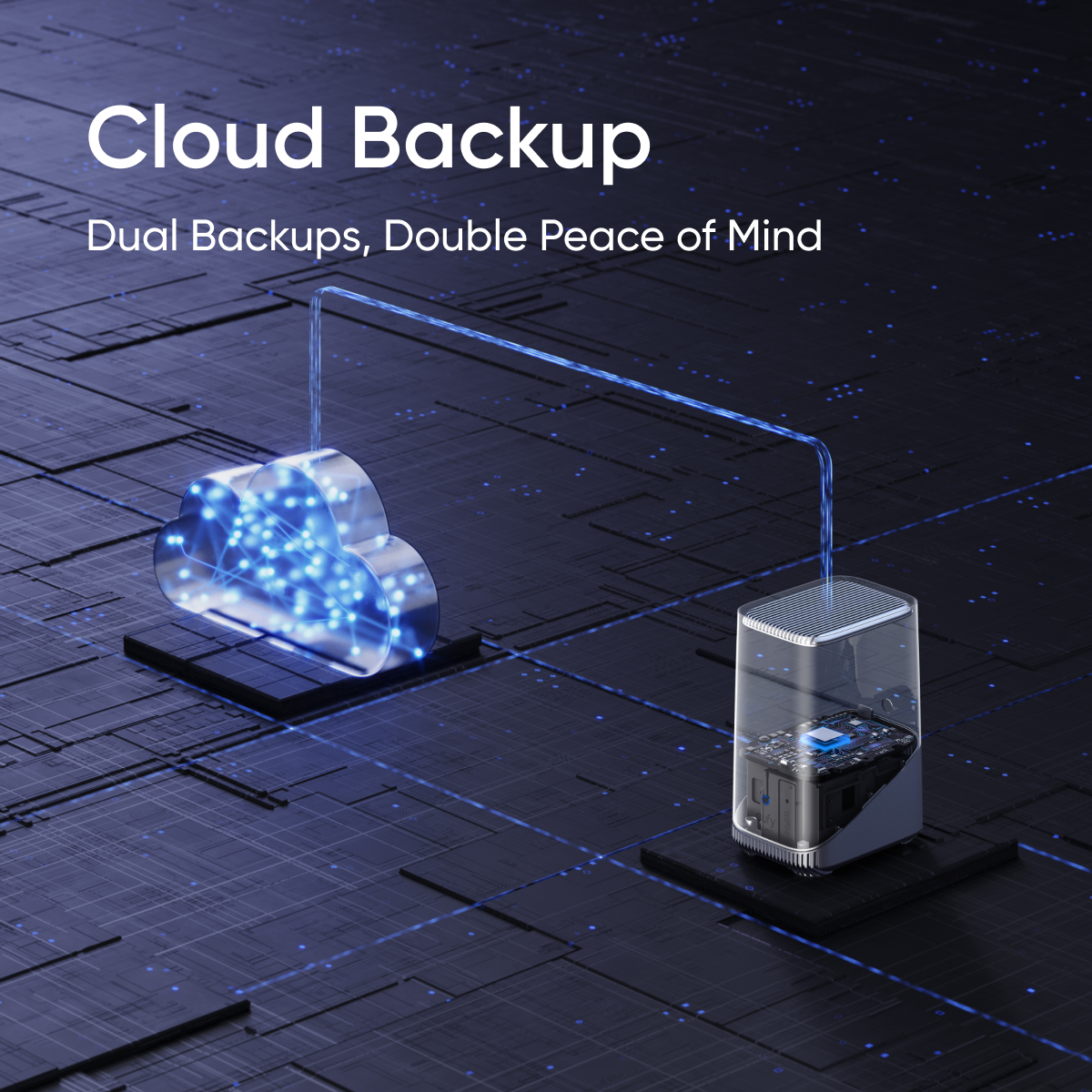
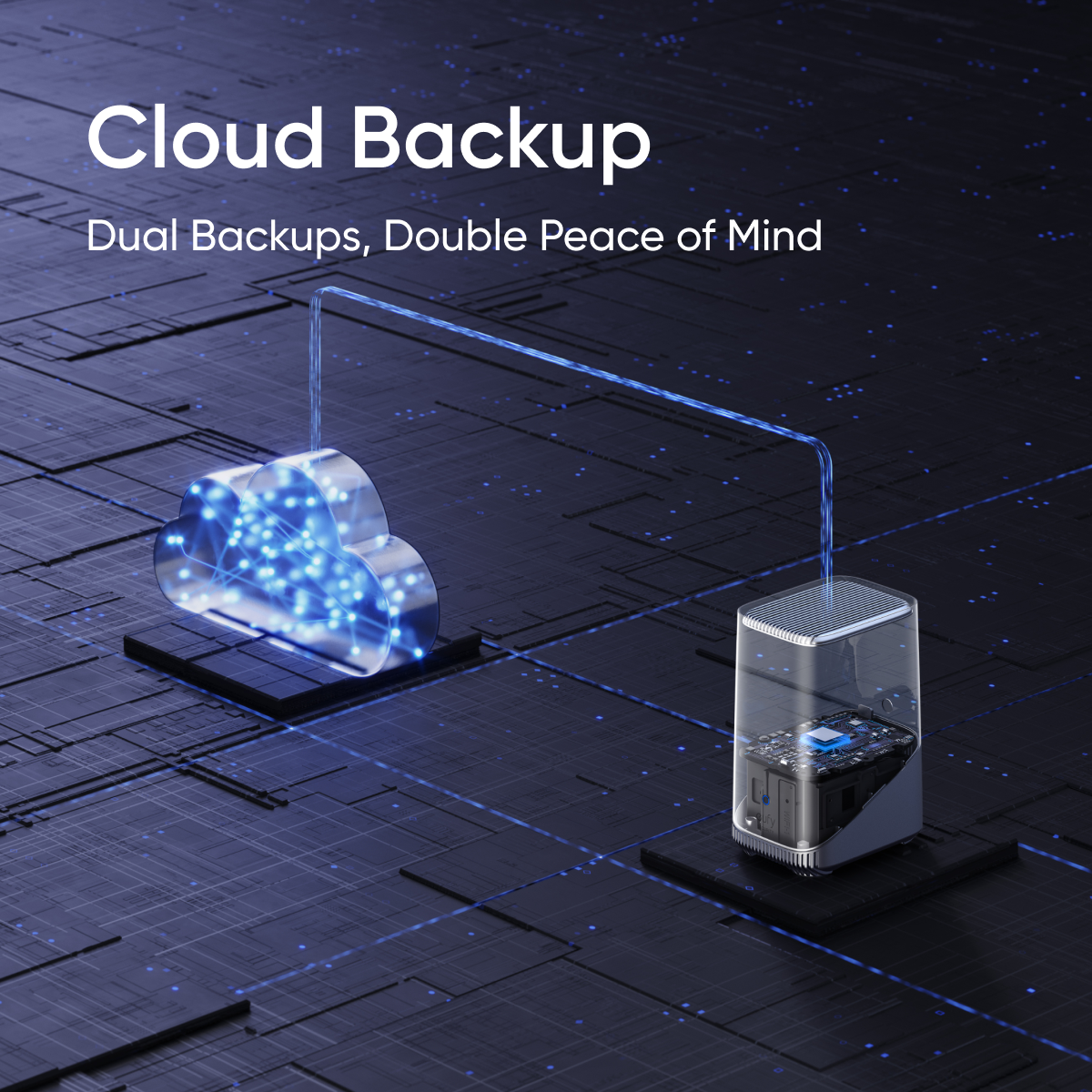
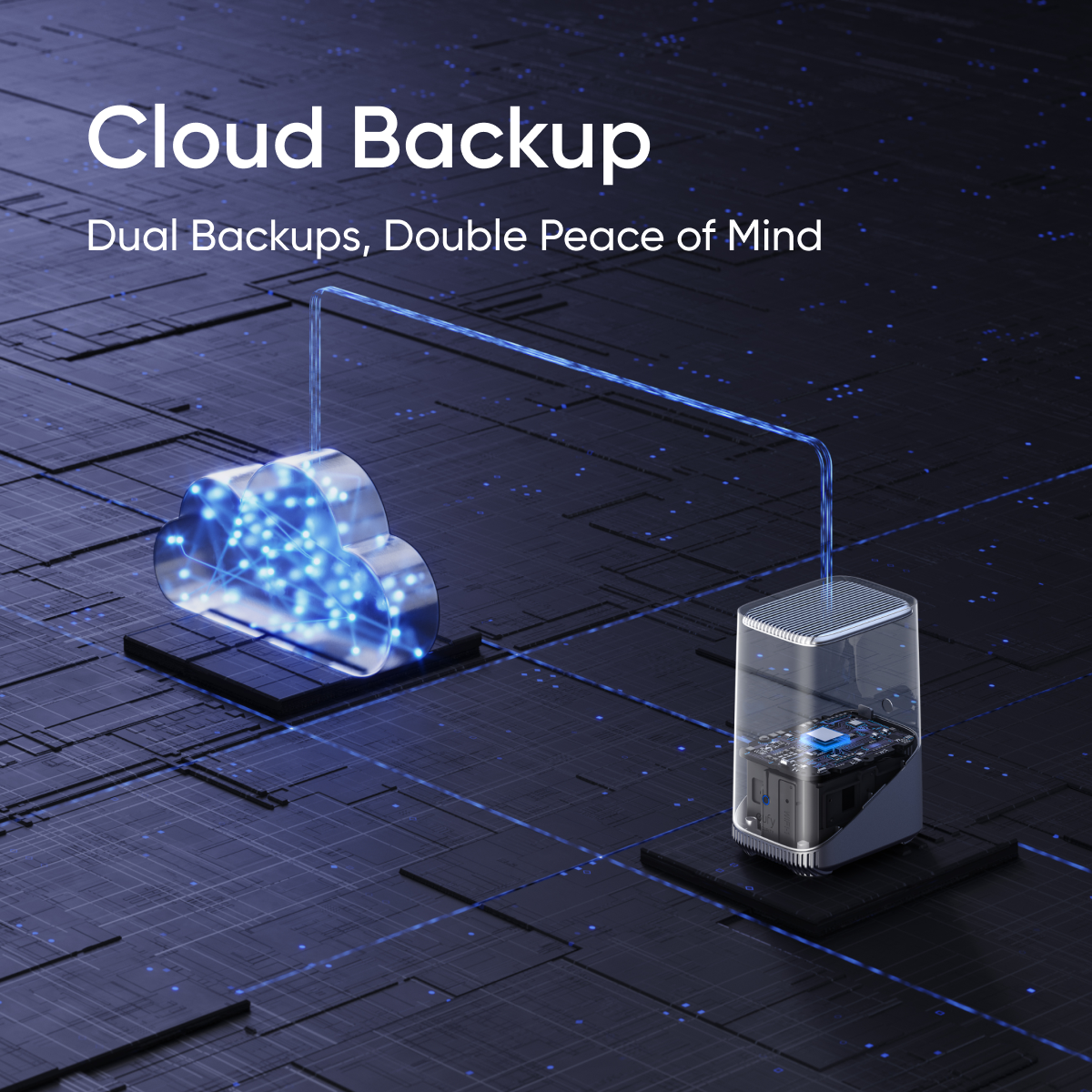
eufy Security Cloud Backup Basic Monthly Service (2 device) 2 deviceDual Backup, Double Peace of Mind. Subscribe to the eufy Security Cloud Backup service if you need extra space to store event videos. Stores videos for 30 days, giving you sufficient time to review recorded videos. Videos accessible, even if devices are offline. AWS advanced encryption, ensuring data is in your control. We offer a variety of plans for you to choose the one that suits you best, up to all devices supported. To cover multiple devices, please select a service package that includes multi-device support. Repeatedly purchasing the same package will extend service only for the original device, not add additional ones.7,99 £*Shipping: 0,00 £Secure redirect to the provider
-
Inspired Finds Eternal Bonds Personalized Acrylic Photo Frame & Custom Couple Plaque Gift 7 Colors LightCapture Your Timeless Connection. Turn your most meaningful moments into a lasting keepsake with this elegant personalized acrylic photo frame. Designed specifically for couples who value memories that matter, this sleek, transparent display piece...116,99 $*Shipping: 0,00 $Secure redirect to the provider
-
eufy Security Cloud Backup Basic Monthly Service (1 device) 1 deviceDual Backup, Double Peace of Mind. Subscribe to the eufy Security Cloud Backup service if you need extra space to store event videos. Stores videos for 30 days, giving you sufficient time to review recorded videos. Videos accessible, even if devices...3,60 $*Shipping: 0,00 $Secure redirect to the provider
-
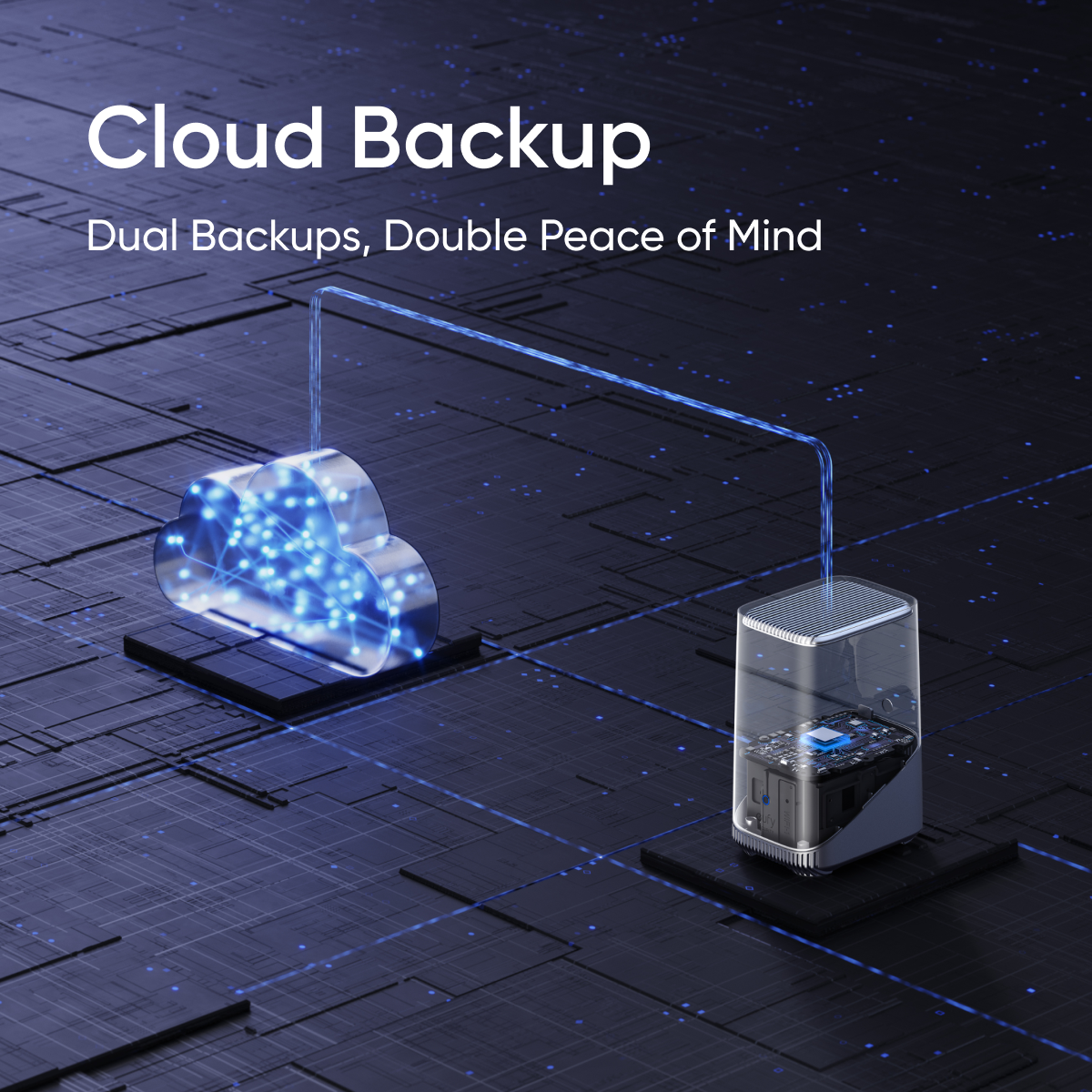
eufy Security Cloud Backup Basic Annually Service (2 device) 2 deviceDual Backup, Double Peace of Mind. Subscribe to the eufy Security Cloud Backup service if you need extra space to store event videos. Stores videos for 30 days, giving you sufficient time to review recorded videos. Videos accessible, even if devices are offline. AWS advanced encryption, ensuring data is in your control. We offer a variety of plans for you to choose the one that suits you best, up to all devices supported. To cover multiple devices, please select a service package that includes multi-device support. Repeatedly purchasing the same package will extend service only for the original device, not add additional ones.79,99 £*Shipping: 0,00 £Secure redirect to the provider

-
Is Filenio a secure cloud storage?
Yes, Filenio is a secure cloud storage solution. It uses strong encryption to protect user data and has security measures in place to prevent unauthorized access. Filenio also offers features such as two-factor authentication and regular security updates to ensure the safety of user data. Additionally, Filenio complies with data protection regulations to further enhance its security measures. **
-
Why are intermolecular bonds weaker than electron pair bonds?
Intermolecular bonds are weaker than electron pair bonds because they involve interactions between molecules rather than within a single molecule. In intermolecular bonds, the attractive forces between molecules are generally weaker than the covalent bonds that hold atoms together within a molecule. Additionally, intermolecular bonds are typically temporary and can be easily broken, whereas electron pair bonds are strong and stable. Overall, the weaker nature of intermolecular bonds allows molecules to move and interact with each other more freely. **
-
Why are intermolecular bonds generally weaker than covalent bonds?
Intermolecular bonds are generally weaker than covalent bonds because they involve interactions between molecules rather than within a single molecule. Covalent bonds involve the sharing of electrons between atoms, creating strong bonds within a molecule. In contrast, intermolecular bonds, such as hydrogen bonds or van der Waals forces, are weaker because they are based on temporary interactions between molecules, which can be easily broken. Additionally, intermolecular bonds are influenced by factors such as distance and orientation, further contributing to their weaker nature compared to covalent bonds. **
-
Why are intermolecular bonds typically weaker than covalent bonds?
Intermolecular bonds are typically weaker than covalent bonds because they involve interactions between molecules rather than within a single molecule. In intermolecular bonds, the attractive forces between molecules, such as van der Waals forces or hydrogen bonding, are weaker than the strong sharing of electrons in covalent bonds. Additionally, intermolecular bonds are more easily broken or disrupted by changes in temperature or pressure, leading to lower bond energies compared to covalent bonds. **
Why are intermolecular bonds typically weaker than electron pair bonds?
Intermolecular bonds are typically weaker than electron pair bonds because they involve interactions between molecules rather than within a single molecule. In intermolecular bonds, the attractive forces between molecules are generally weaker than the covalent bonds that hold atoms together within a molecule. Additionally, intermolecular bonds are usually based on weaker forces such as van der Waals forces, hydrogen bonding, or dipole-dipole interactions, which are not as strong as the sharing or transfer of electrons in covalent or ionic bonds. **
Why are intermolecular bonds generally weaker than electron pair bonds?
Intermolecular bonds are generally weaker than electron pair bonds because they involve interactions between molecules, which are larger and less localized than the interactions between atoms in a covalent bond. In intermolecular bonds, the attractive forces are typically weaker due to the larger distance between molecules and the lack of direct sharing of electrons. In contrast, electron pair bonds involve the sharing of electrons between atoms, leading to stronger and more localized bonding interactions. **
Top-Angebote
Products related to Bonds:
-
Inspired Finds Eternal Bonds Personalized Acrylic Photo Frame & Custom Couple Plaque Gift warm LightCapture Your Timeless Connection. Turn your most meaningful moments into a lasting keepsake with this elegant personalized acrylic photo frame. Designed specifically for couples who value memories that matter, this sleek, transparent display piece...110,99 $*Shipping: 0,00 $Secure redirect to the provider
-
eufy Security Cloud Backup Plus Monthly Service (All device) 10 deviceDual Backup, Double Peace of Mind. Subscribe to the eufy Security Cloud Backup service if you need extra space to store event videos. Stores videos for 30 days, giving you sufficient time to review recorded videos. Videos accessible, even if devices...12,60 $*Shipping: 0,00 $Secure redirect to the provider
-
eufy Security Cloud Backup Basic Monthly Service (2 device) 2 deviceDual Backup, Double Peace of Mind. Subscribe to the eufy Security Cloud Backup service if you need extra space to store event videos. Stores videos for 30 days, giving you sufficient time to review recorded videos. Videos accessible, even if devices are offline. AWS advanced encryption, ensuring data is in your control. We offer a variety of plans for you to choose the one that suits you best, up to all devices supported. To cover multiple devices, please select a service package that includes multi-device support. Repeatedly purchasing the same package will extend service only for the original device, not add additional ones.7,99 £*Shipping: 0,00 £Secure redirect to the provider
-
Inspired Finds Eternal Bonds Personalized Acrylic Photo Frame & Custom Couple Plaque Gift 7 Colors LightCapture Your Timeless Connection. Turn your most meaningful moments into a lasting keepsake with this elegant personalized acrylic photo frame. Designed specifically for couples who value memories that matter, this sleek, transparent display piece...116,99 $*Shipping: 0,00 $Secure redirect to the provider
-
What are the differences between covalent bonds, metallic bonds, and ionic bonds?
Covalent bonds are formed when two atoms share electrons, resulting in a strong bond between the atoms. Metallic bonds occur between metal atoms, where the electrons are delocalized and free to move throughout the structure, creating a strong bond. Ionic bonds are formed between a metal and a nonmetal, where one atom transfers electrons to the other, resulting in the formation of positively and negatively charged ions that are attracted to each other. Overall, covalent bonds involve electron sharing, metallic bonds involve electron delocalization, and ionic bonds involve electron transfer. **
-
Do CO bonds form with other CO bonds?
No, CO bonds do not typically form with other CO bonds. Carbon monoxide (CO) is a stable molecule with a triple bond between the carbon and oxygen atoms. This triple bond is strong and does not readily form additional bonds with other CO molecules. Instead, CO molecules tend to interact with other types of molecules through various types of chemical reactions. **
-
Is Filenio a secure cloud storage?
Yes, Filenio is a secure cloud storage solution. It uses strong encryption to protect user data and has security measures in place to prevent unauthorized access. Filenio also offers features such as two-factor authentication and regular security updates to ensure the safety of user data. Additionally, Filenio complies with data protection regulations to further enhance its security measures. **
-
Why are intermolecular bonds weaker than electron pair bonds?
Intermolecular bonds are weaker than electron pair bonds because they involve interactions between molecules rather than within a single molecule. In intermolecular bonds, the attractive forces between molecules are generally weaker than the covalent bonds that hold atoms together within a molecule. Additionally, intermolecular bonds are typically temporary and can be easily broken, whereas electron pair bonds are strong and stable. Overall, the weaker nature of intermolecular bonds allows molecules to move and interact with each other more freely. **
Similar search terms for Bonds
-
eufy Security Cloud Backup Basic Monthly Service (1 device) 1 deviceDual Backup, Double Peace of Mind. Subscribe to the eufy Security Cloud Backup service if you need extra space to store event videos. Stores videos for 30 days, giving you sufficient time to review recorded videos. Videos accessible, even if devices...3,60 $*Shipping: 0,00 $Secure redirect to the provider
-
eufy Security Cloud Backup Basic Annually Service (2 device) 2 deviceDual Backup, Double Peace of Mind. Subscribe to the eufy Security Cloud Backup service if you need extra space to store event videos. Stores videos for 30 days, giving you sufficient time to review recorded videos. Videos accessible, even if devices are offline. AWS advanced encryption, ensuring data is in your control. We offer a variety of plans for you to choose the one that suits you best, up to all devices supported. To cover multiple devices, please select a service package that includes multi-device support. Repeatedly purchasing the same package will extend service only for the original device, not add additional ones.79,99 £*Shipping: 0,00 £Secure redirect to the provider
-
eufy Security Cloud Backup Basic Annually Service (1 device) 1 deviceDual Backup, Double Peace of Mind. Subscribe to the eufy Security Cloud Backup service if you need extra space to store event videos. Stores videos for 30 days, giving you sufficient time to review recorded videos. Videos accessible, even if devices are offline. AWS advanced encryption, ensuring data is in your control. We offer a variety of plans for you to choose the one that suits you best, up to all devices supported. To cover multiple devices, please select a service package that includes multi-device support. Repeatedly purchasing the same package will extend service only for the original device, not add additional ones.39,99 £*Shipping: 0,00 £Secure redirect to the provider
-
eufy Security Cloud Backup Plus Monthly Service (All devices) 10 deviceDual Backup, Double Peace of Mind. Subscribe to the eufy Security Cloud Backup service if you need extra space to store event videos. Stores videos for 30 days, giving you sufficient time to review recorded videos. Videos accessible, even if devices are offline. AWS advanced encryption, ensuring data is in your control. We offer a variety of plans for you to choose the one that suits you best, up to all devices supported. To cover multiple devices, please select a service package that includes multi-device support. Repeatedly purchasing the same package will extend service only for the original device, not add additional ones.12,99 £*Shipping: 0,00 £Secure redirect to the provider
-
Why are intermolecular bonds generally weaker than covalent bonds?
Intermolecular bonds are generally weaker than covalent bonds because they involve interactions between molecules rather than within a single molecule. Covalent bonds involve the sharing of electrons between atoms, creating strong bonds within a molecule. In contrast, intermolecular bonds, such as hydrogen bonds or van der Waals forces, are weaker because they are based on temporary interactions between molecules, which can be easily broken. Additionally, intermolecular bonds are influenced by factors such as distance and orientation, further contributing to their weaker nature compared to covalent bonds. **
-
Why are intermolecular bonds typically weaker than covalent bonds?
Intermolecular bonds are typically weaker than covalent bonds because they involve interactions between molecules rather than within a single molecule. In intermolecular bonds, the attractive forces between molecules, such as van der Waals forces or hydrogen bonding, are weaker than the strong sharing of electrons in covalent bonds. Additionally, intermolecular bonds are more easily broken or disrupted by changes in temperature or pressure, leading to lower bond energies compared to covalent bonds. **
-
Why are intermolecular bonds typically weaker than electron pair bonds?
Intermolecular bonds are typically weaker than electron pair bonds because they involve interactions between molecules rather than within a single molecule. In intermolecular bonds, the attractive forces between molecules are generally weaker than the covalent bonds that hold atoms together within a molecule. Additionally, intermolecular bonds are usually based on weaker forces such as van der Waals forces, hydrogen bonding, or dipole-dipole interactions, which are not as strong as the sharing or transfer of electrons in covalent or ionic bonds. **
-
Why are intermolecular bonds generally weaker than electron pair bonds?
Intermolecular bonds are generally weaker than electron pair bonds because they involve interactions between molecules, which are larger and less localized than the interactions between atoms in a covalent bond. In intermolecular bonds, the attractive forces are typically weaker due to the larger distance between molecules and the lack of direct sharing of electrons. In contrast, electron pair bonds involve the sharing of electrons between atoms, leading to stronger and more localized bonding interactions. **
* All prices are inclusive of VAT and, if applicable, plus shipping costs. The offer information is based on the details provided by the respective shop and is updated through automated processes. Real-time updates do not occur, so deviations can occur in individual cases. ** Note: Parts of this content were created by AI.